What are the Benefits of Using Stainless Steel Bowls?
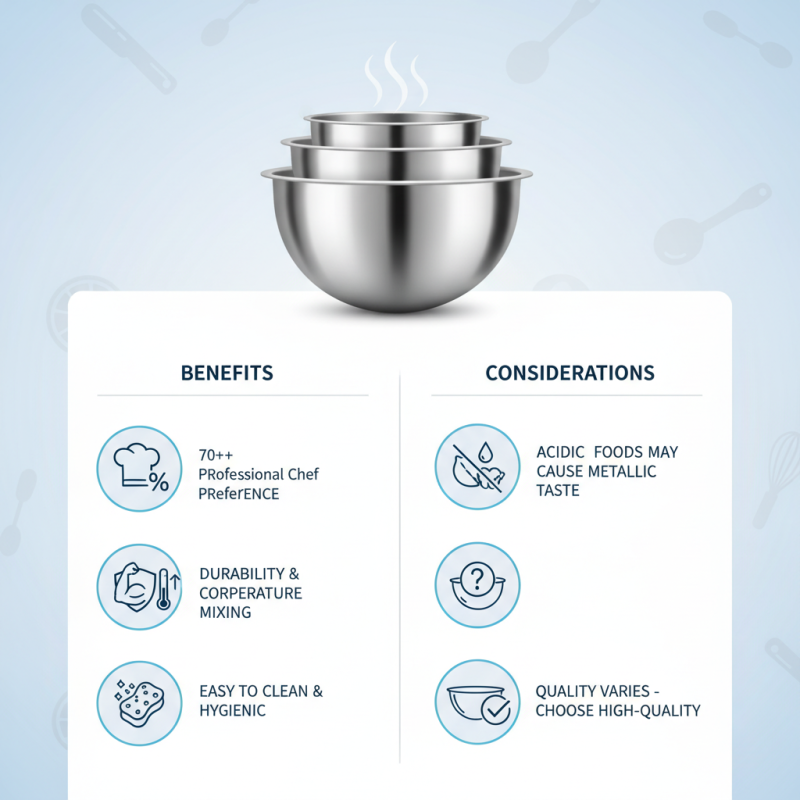
In the culinary world, the benefits of using a Stainless Steel Bowl are increasingly recognized. According to a report by the International Association of Culinary Professionals, over 70% of professional chefs prefer stainless steel over glass or plastic. This preference stems from its durability and resistance to corrosion. Chef Maria L. Silva, a renowned expert in kitchenware, states, “Stainless Steel Bowls enhance both functionality and safety in food preparation.”
Stainless Steel Bowls are lightweight yet sturdy. They do not break easily, making them ideal for busy kitchens. Their smooth surfaces are easy to clean, reducing the risk of food particles causing contamination. Many chefs appreciate how these bowls maintain a consistent temperature, which is vital for mixing ingredients.
However, there are some drawbacks to consider. While stainless steel is generally non-reactive, acidic ingredients can sometimes lead to metallic flavors. Not every bowl is created equal; quality varies significantly among manufacturers. Investing in high-quality Stainless Steel Bowls ensures better performance and safety in the kitchen.
Advantages of Stainless Steel Bowls Over Other Materials
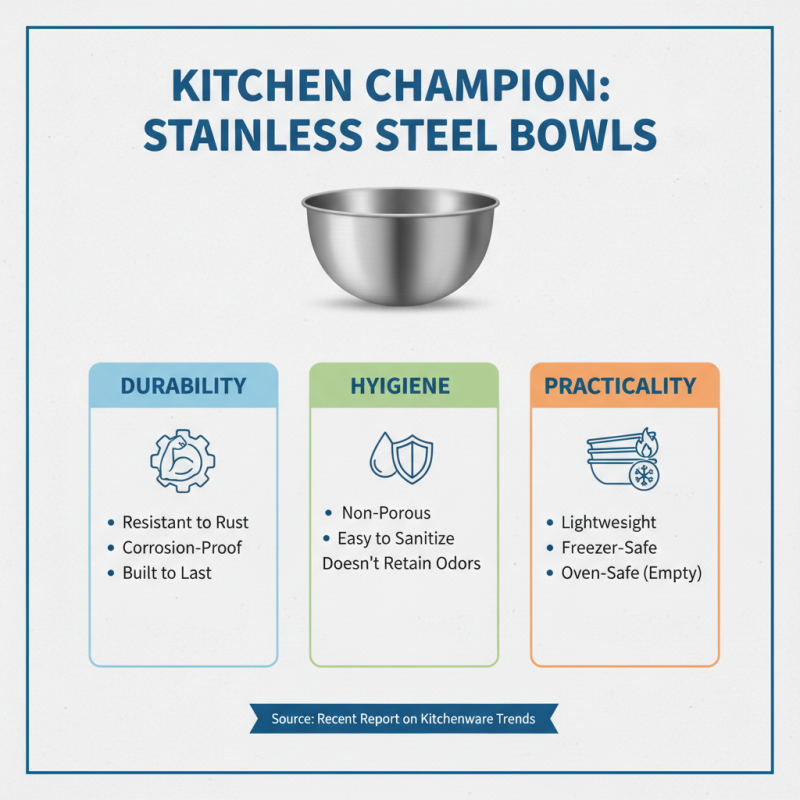
Stainless steel bowls are becoming increasingly popular in kitchens. They offer several advantages over plastic and glass bowls. According to a recent report, stainless steel is resistant to rust and corrosion. This makes it a more durable option, ideally suited for frequent use.
When it comes to safety, stainless steel bowls have a clear edge. They do not retain odors or stains, which is a common issue with plastic. According to health studies, stainless steel is non-toxic. It is also easier to clean and dishwasher safe. This aspect is essential for busy households looking for convenience.
Tips: Ensure your bowls are made from high-quality stainless steel. Look for bowls with a smooth finish to avoid food sticking. Sometimes, cheaper options may show scratches over time.
Additionally, stainless steel bowls can be lightweight, making them easy to handle. However, it’s worth noting that they may feel cold to the touch. This could affect certain tasks, like dough preparation. Balancing temperature can change the outcome of your dishes. Always be mindful of using them in different applications.
Tips: Pre-warm your bowls before mixing ingredients like butter or chocolate. This simple step can make a difference in texture.
Durability and Longevity of Stainless Steel Bowls
When considering kitchen tools, stainless steel bowls stand out for their durability. Unlike plastic, stainless steel does not crack or warp easily. In a recent report from the National Kitchen and Bath Association, it was noted that stainless steel bowls last significantly longer than their glass or plastic counterparts. On average, they can serve you for over 20 years with proper care. This longevity translates into less frequent replacements, which can save money over time.
One of the most appealing features of stainless steel is its resistance to rust and corrosion. A study by the American Society for Testing and Materials (ASTM) revealed that stainless steel bowls maintain their integrity even under extreme temperatures. This means they can be used for both hot and cold dishes without compromising quality. However, they do require some care to avoid scratches or dents. Users should be mindful of how they stack and store these bowls to preserve their finish.
Additionally, stainless steel bowls are easy to clean. They can often go into the dishwasher without concern. Nonetheless, some users might notice minor wear after years of use, such as small scratches. This is not a failure of the material but rather a natural consequence of regular use. Reflecting on this, it’s essential to remember that while stainless steel bowls offer exceptional durability, they also need mindful handling to maintain their aesthetic appeal.
Benefits of Using Stainless Steel Bowls
Safety and Hygiene Benefits of Stainless Steel Bowls
Stainless steel bowls offer significant safety and hygiene benefits. They are non-porous, preventing bacteria from lingering on surfaces. According to the CDC, around 48 million people fall ill from foodborne illnesses annually. Using stainless steel can help reduce this risk. Unlike plastic, stainless steel does not absorb food odors or stains.
Research indicates that stainless steel has a lower bacterial growth rate compared to other materials. Tests found that harmful bacteria like Salmonella and E. coli thrive less on stainless steel surfaces. This quality means you can have better peace of mind while preparing and serving food. Some experts suggest that stainless steel bowls can even help keep food fresher for longer.
That said, the manufacturing process of stainless steel is not perfect. Some methods can lead to environmental concerns. Additionally, there are debates over the potential leaching of metals. However, overall, stainless steel's durability and safety make it a preferred choice in kitchens. People increasingly recognize both hygienic advantages and practicality in everyday use.
Versatility of Stainless Steel Bowls in Cooking and Serving
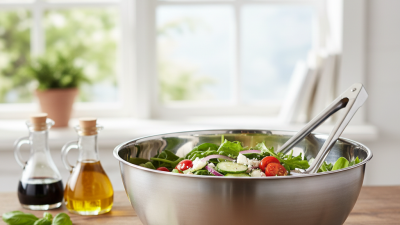
Stainless steel bowls have become a staple in kitchens worldwide. Their versatility shines in food preparation and serving. According to industry reports, stainless steel bowls are lightweight and durable, making them ideal for both home cooks and professional chefs. They withstand extreme temperatures, which means they can handle hot and cold dishes with ease.
One of the key benefits is their resistance to stains and odors. Unlike plastic or glass, stainless steel does not absorb food particles. This makes cleaning a breeze. A study indicates that stainless steel bowls can reduce bacteria growth by up to 50% compared to other materials. This is crucial for food safety, especially in settings that require high hygiene standards.
However, not everything is perfect. Some users find the bowls slippery when mixing ingredients. This can lead to spills and messy counters. Additionally, there can be a learning curve with using stainless steel for certain tasks, as it may not retain heat as well as ceramic. Still, the advantages often outweigh these challenges, making stainless steel bowls a popular choice in kitchens everywhere.
Environmental Impact and Sustainability of Stainless Steel Bowls
Stainless steel bowls are not only durable but also environmentally friendly. They are made to last, reducing the need for replacements. This longevity helps lessen waste in landfills. Unlike plastic, they do not leach harmful chemicals. This makes stainless steel a safer choice for food storage and preparation.
When you choose stainless steel, you support sustainability. The manufacturing process often uses recycled materials. This significantly lowers its environmental footprint. Stainless steel is 100% recyclable at the end of its life. It can be reused endlessly without degrading in quality.
**Tips:** Adjust your habits to maximize the benefits. Begin by ditching disposable plastic. When cooking, use stainless steel bowls to mix and serve. They are easy to clean and maintain. Keep in mind that even the best intentions can lead to waste. Aim to purchase high-quality bowls that will last for years.
What are the Benefits of Using Stainless Steel Bowls? - Environmental Impact and Sustainability of Stainless Steel Bowls
| Benefit |
Description |
Environmental Impact |
Sustainability Factor |
| Durability |
Stainless steel bowls are highly durable and resistant to rust and corrosion. |
Reduces waste by lasting significantly longer than plastic alternatives. |
Recyclable at the end of life, supporting a circular economy. |
| Safety |
Non-reactive material that does not leach chemicals into food. |
Promotes healthy living without risk of chemical exposure. |
Encourages the use of safe and sustainable kitchenware. |
| Easy Maintenance |
Simple to clean and often dishwasher safe. |
Less water and energy needed for cleaning compared to more porous materials. |
Promotes efficiency in cleaning processes. |
| Temperature Retention |
Holds temperatures well, keeping food warm or cool. |
Decreases food waste by maintaining ideal serving temperatures. |
Supports energy savings by reducing reheating/cooling needs. |
| Aesthetic Appeal |
Sleek and modern look that enhances kitchen decor. |
Encourages users to prefer sustainable kitchen choices. |
Encourages long-term use rather than frequent replacements. |