What is an AC DC Power Supply and How Does it Work?
In the realm of electronics, the AC/DC Power Supply plays a crucial role. It converts alternating current (AC) into direct current (DC), enabling devices to function. John Doe, a renowned electrical engineer, once stated, “An efficient power supply is the backbone of every electronic device.” This statement underscores the importance of understanding how AC/DC power supplies operate.
AC/DC power supplies are found everywhere. From smartphones to laptops, they power our daily lives. The conversion process involves rectification and filtering, providing a stable voltage output. However, not all power supplies are created equal. Efficiency can vary greatly, leading to potential issues like overheating or inadequate power delivery.
While many users rely on these devices without a second thought, it is vital to recognize the nuances. An inefficient supply can lead to erratic device performance and even damage. Understanding these mechanics helps users make informed choices. Therefore, exploring the workings of AC/DC power supplies reveals their integral nature in our tech-driven world.
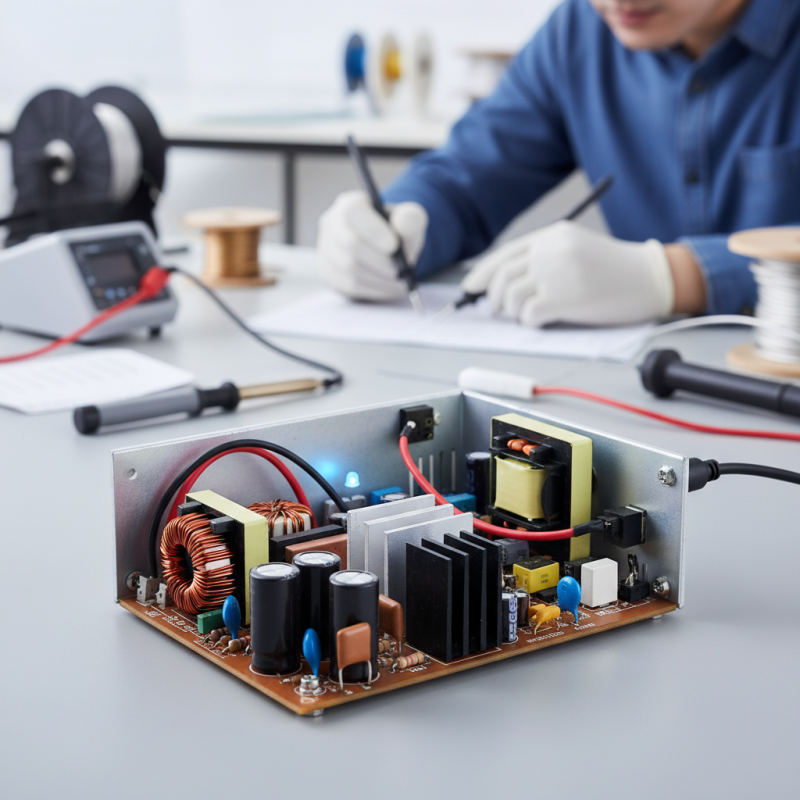
What is AC DC Power Supply?
An AC DC power supply is a device that converts alternating current (AC) into direct current (DC). This transformation is essential for powering various electronic devices. Many gadgets, from laptops to mobile phones, rely on DC power. Understanding how this works can help you troubleshoot issues and make informed choices.
AC voltage fluctuates. It changes direction, while DC voltage remains steady. The power supply uses components like transformers, rectifiers, and filters to change AC into DC. Transformers reduce voltage levels. Rectifiers convert AC to DC, while filters smooth out the current. This process is vital in ensuring stable power for devices.
Tips: Always check the voltage rating before plugging in your device. Too high of a voltage can damage sensitive electronics. Also, remember that overheating can indicate a problem. Monitor your power supply’s temperature to prevent failures. Be cautious; it’s easy to overlook signs of wear and tear. Regular checks can save you from larger issues down the line.
Understanding the Difference Between AC and DC Power
AC and DC power are essential concepts in electronics. AC stands for alternating current, while DC means direct current. The primary difference lies in the flow of electric charge. In AC, the flow of electrons changes direction periodically. This wave-like motion makes it suitable for homes and businesses. Most household appliances run on AC power.
On the other hand, DC power flows in a single direction. This steady flow is crucial for electronic devices like batteries and solar panels. The advantage of DC is its stability. However, it can be less efficient over long distances. I once had a DC-powered device that struggled to function when far from its power source.
Understanding these differences helps in choosing the right power supply. Each type has its own strengths and weaknesses. The decision often comes down to the application. Streamlined choices are important for efficiency. Sometimes, I find myself wishing for an easier way to select between them. Power supply decisions can be tricky, so careful consideration is necessary.
Components of an AC DC Power Supply
An AC DC power supply is essential for many electronic devices. It converts alternating current (AC) into direct current (DC). This process is crucial for powering up devices like computers and smartphones. The supply consists of various components, each with a specific role to play.
One main component is the transformer. It adjusts the voltage level from the AC source. Without a transformer, the voltage might be too high or too low. Next, we have the rectifier. This device changes AC to DC. It can be either a half-wave or full-wave rectifier, impacting efficiency. Industry reports suggest that full-wave rectifiers can boost efficiency by up to 40%.
Another important component is the filter. Filters smooth out voltage fluctuations, providing stable DC output. Capacitors are commonly used in filters. They help reduce ripples in the voltage. However, if capacitors fail or are poorly rated, it can lead to substantial performance issues.
Lastly, many power supplies include regulators to control output voltage, ensuring consistency. Yet, designing these systems requires careful consideration; mistakes can lead to overheating or inefficiencies. Balancing cost and performance in component selection is a continuous challenge for engineers.
How AC DC Power Supplies Convert Voltage
AC DC power supplies are essential in converting electricity. They take alternating current (AC) and transform it into direct current (DC). This process is important for many electronic devices. But how exactly does this conversion occur?
The power supply uses a transformer to step down the voltage. After that, it rectifies the AC using diodes. Diodes only allow current to flow in one direction. This creates a pulsed DC output. Next, a filter smooths this pulsed DC into a steady voltage. Capacitors play a key role here, but they can be tricky. They store energy, but if not sized correctly, they can cause voltage drops.
Finally, the power supply regulates the output voltage. This ensures that devices receive stable power. Over time, components may wear out. This can lead to inefficiencies. It’s vital to monitor the health of these systems. Not all power supplies are created equal, and many factors can affect their performance.
What is an AC DC Power Supply and How Does it Work?
| Component | Function | Input Voltage (V) | Output Voltage (V) | Efficiency (%) |
| Transformer | Steps up/down voltage | 120/240 | 10/30 | 90 |
| Rectifier | Converts AC to DC | 120 | 15 | 85 |
| Filter | Smooths output voltage | 15 | 15 | 95 |
| Regulator | Maintains constant output | 15 | 12 | 92 |
Applications of AC DC Power Supplies in Modern Technology
AC DC power supplies play a crucial role in modern technology. They convert alternating current (AC) into direct current (DC), providing stable voltage for electronic devices. In recent years, their applications have broadened significantly. Reports show that the global power supply market is expected to exceed $40 billion by 2026, highlighting this demand.
One key application is in smartphones. Nearly 90% of mobile phones use AC DC power supply for efficient charging. These devices require precise voltage levels, and the conversion process is vital for performance. Another domain is electric vehicles (EVs). A study indicates that the demand for EV chargers will reach 3 million units by 2025. This surge increases the need for reliable AC DC power supplies in charging infrastructure.
Tips: When choosing a power supply, consider the efficiency ratings. Higher efficiency means less energy loss. Additionally, assess the thermal management of the device. Poorly managed heat can reduce lifespan.
Manufacturers face challenges. Many underestimate the importance of innovation in power supply design. The trend toward renewable energy sources further complicates reliability. There is a need for adaptive solutions that can cope with varying power demands. This is critical as technology evolves rapidly.